
A Miele Steam Oven - under the hood
- Jul 14 2026
- /
- 423
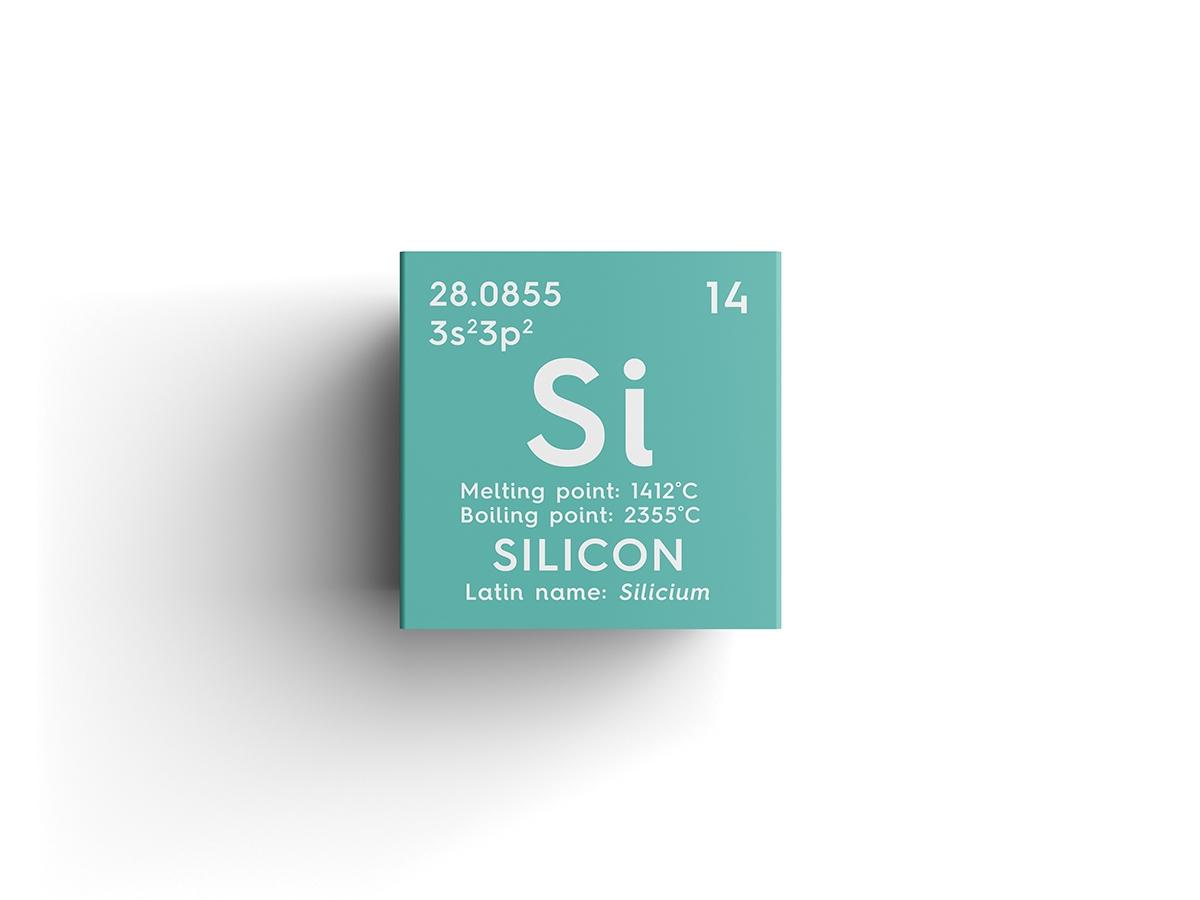
Think of smartphones, laptops, solar panels, or even electric cars. At the heart of it all, there is one unsung hero: silicon.
It's a name you've probably heard before, especially in phrases like "Silicon Valley", but you might not realize just how essential this element is to both our digital age and the everyday objects we often take for granted.
Silicon isn't just the foundation of the tech industry; it also plays a vital role in construction, healthcare, cosmetics, and renewable energy.
In fact, it's one of the most widely used elements on Earth, second only to oxygen in abundance in the Earth's crust. Let's talk about how silicon became the backbone of modern technology and how it go far beyond microchips.
Silicon (chemical symbol Si, atomic number 14) is a metalloid. This is a type of element with properties between metals and nonmetals.
You'll most often find it in the form of silica (silicon dioxide), which makes up common sand and quartz. Despite its wide presence in nature, pure silicon doesn't occur freely; it has to be extracted through industrial processes that remove oxygen and impurities.
It's important to note that silicon and silicone are not the same thing.
While silicon is a natural element, silicone refers to synthetic compounds made from silicon, oxygen, carbon, and hydrogen. Silicone is a flexible, water-resistant material widely used in medical, cosmetic, and kitchen products.
What makes silicon so special—especially in the world of electronics—is its semiconducting properties.
This means it can conduct electricity under certain conditions, making it perfect for controlling the flow of electric current in devices. But as we'll see, silicon's versatility reaches far beyond computer chips.
Silicon's rise to fame is largely thanks to its crucial role in the semiconductor industry. A semiconductor is a material that can act as both a conductor and an insulator, depending on how it's treated. This unique ability allows it to control electrical signals, which is the foundation of modern electronics.
Silicon is particularly well-suited for this role for multiple important reasons:
Inside every smartphone, computer, tablet, and television is a tiny silicon chip embedded with transistors, which are microscopic switches that control electrical currents. These chips are what allow your devices to process information, store data, and run apps.
The name "Silicon Valley", the tech hub in California, is no coincidence.
It's a tribute to the silicon-based innovations that gave birth to the modern computing industry. From early processors to today's artificial intelligence chips, silicon has remained the go-to material for engineers for over half a century.
Beyond electronics, silicon plays a leading role in clean energy, particularly in solar power. Most solar panels in use today are made from crystalline silicon, which converts sunlight into electricity through the photovoltaic effect.
Silicon is pretty much ideal for solar energy and this is why:
Thanks to advances in solar technology, silicon is helping to power homes, businesses, and even entire cities with renewable energy. It's also at the center of emerging innovations such as thin-film silicon and bifacial solar panels, which can capture sunlight from both sides.
In a world grappling with climate change, silicon's contribution to clean energy isn't just impressive—it's essential. As the demand for sustainable alternatives grows, so too does the importance of this versatile element.
While silicon's claim to fame may be electronics and solar power, its industrial uses are just as impressive and widespread.
Silicon is a key component in many materials and manufacturing processes, making it indispensable in sectors like construction, automotive, and aerospace.
Silicon is commonly added to metals to create alloys that are lighter, stronger, and more resistant to corrosion. For instance, aluminum-silicon alloys are widely used in car engines and aircraft parts due to their high strength-to-weight ratio and excellent heat resistance.
Ever wonder what gives glass its transparency and strength? That would be silica (SiO₂), a compound of silicon. It's the primary ingredient in most types of glass, from windows and bottles to lab equipment and optical lenses. Silicon also enhances ceramics, improving their durability and temperature resistance—qualities critical for everything from kitchenware to industrial furnaces.
In the world of construction, silicon shows up in surprising ways. Silica sand is a major ingredient in cement, mortar, and concrete. It adds strength, workability, and durability, making it a silent but essential player in the buildings we live and work in.
You might be surprised to find just how often you encounter silicon in your day-to-day life—not just in gadgets or buildings, but also in your bathroom, kitchen, and even medicine cabinet.
That smooth, silky texture in your favorite shampoo or moisturizer? It's often thanks to silicone, a compound derived from silicon. Silicones are widely used in skincare and haircare products for their ability to create a protective barrier, reduce frizz, and enhance spreadability.
Silicone bakeware—think flexible spatulas, cake molds, and oven mitts—has become a kitchen staple. These items are heat-resistant, non-stick, and easy to clean, making them a favorite among home cooks and professional chefs alike.
Silicon-based materials are prized in healthcare for being biocompatible, meaning they don't react with human tissues. You'll find them in catheters, tubing, implants, and even prosthetics. Their flexibility and sterility make them ideal for both temporary and long-term medical use.
Aside from chips and circuits, silicon is also found in other electronic components such as LED lights, displays, batteries, and sensors. Whether it's helping illuminate your room or keeping your smartwatch running, silicon continues to play a role behind the scenes.
From the phone in your hand to the solar panel on your neighbor's roof, silicon is quietly running the show. It doesn't flash or sparkle like gold, but it powers nearly every part of our modern lives.
It's the unsung hero of the tech world and the strong, silent type in everyday materials.
So the next time you swipe your screen, flip a pancake with a silicone spatula, or admire a gleaming skyscraper, give a silent nod to silicon.
After all, it's not just a part of Silicon Valley—it's a part of your everyday life, too.








Check out our amazing 9 STAR QUALITY GUARANTEE