
A Miele Steam Oven - under the hood
- Jul 14 2026
- /
- 580
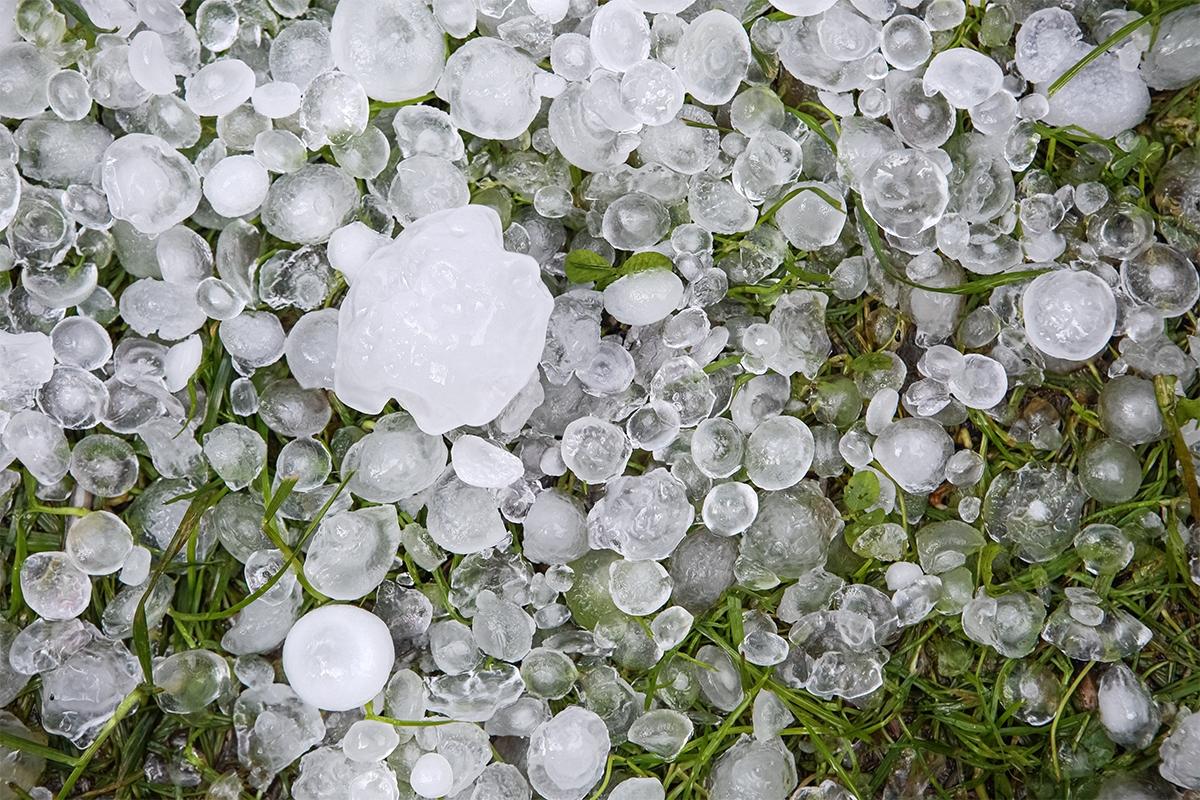
Brisbane is no stranger to wild summer weather, but recent reports of hailstones reaching 13 centimetres in diameter have set a new benchmark for the season's severity. Hail of this size moves well beyond inconvenience. It becomes a force capable of smashing roof tiles, denting vehicles, shattering skylights and damaging outdoor assets in a matter of seconds.
With summer storm activity increasing in intensity, homeowners are increasingly asking: What does giant hail mean for my property, and how can I prepare?
According to Australian hail size grading, hail is classified as:
A 13 cm hailstone sits firmly within the giant hail category. For comparison, that's roughly the size of a softball, and in some cases larger than an adult's palm. Hailstones this size fall at extremely high speeds and can cause:
These impacts can quickly translate into expensive home repairs and insurance claims.
Southeast Queensland is prone to high heat, humidity and strong atmospheric instability in summer — the perfect ingredients for explosive thunderstorm development.
When powerful updrafts inside these storms hold raindrops aloft long enough to freeze and collect layers of ice, hailstones grow larger and heavier.
Brisbane routinely experiences damaging storms between November and March, but recent events demonstrate that these systems are capable of producing hail far beyond everyday expectations.
Summer storms impact more than just roofs and cars. Giant hail can affect several parts of your property, including outdoor areas.
Roofs are the first point of impact. Cracked tiles, dented metal sheets and dislodged gutters are common after large hail. Even minor cracks can later lead to leaks and mould.
Glass and acrylic surfaces are especially vulnerable. A single large hailstone can break through a skylight, or cause irreversible damage to a solar panel.
Drawing from typical summer storm effects on backyard pools, sudden rain and hail can:
Vehicles left outside, even under light coverings, are almost always dented by hail of this size. Outdoor furniture, shade sails and metal fixtures can also take a heavy beating.
Although storms can develop suddenly, a few proactive steps can reduce damage:
Store loose objects, umbrellas, toys, and light furniture that can get thrown around during storms.
Use a garage or carport where possible. Purpose-designed hail protection covers are also useful for large hail events.
Repair cracked tiles, secure flashings and ensure gutters are clear. A well-maintained roof withstands hail impacts far better.
Use protective covers on filters and pumps. After a storm, test pool chemistry to prevent long-term water imbalance.
The Bureau of Meteorology's warnings give valuable lead time to secure your property.
1 Document the damage – Take photos of affected areas before any cleaning or repairs.
2 Inspect your roof safely – Or better yet, have a professional do it.
3 Check outdoor systems – Look over your pool, equipment, solar panels and gutters.
4 Contact your insurer promptly – Giant hail events often lead to a surge in claims.
Brisbane's recent 13 cm hail event serves as a reminder that severe summer storms are not just seasonal inconveniences—they're powerful weather systems capable of causing significant property damage in minutes.
Homeowners who understand hail risks, prepare their outdoor spaces and stay alert to storm warnings will be in a stronger position as summer storms continue to intensify.









Check out our amazing 9 STAR QUALITY GUARANTEE