A Miele Steam Oven - under the hood
- Jul 14 2026
- /
- 641
C-Bus can be used to easily control virtually any type of electrical load. C-Bus uses a patented method for updating the status of units.
There is no central computer or database. It uses a broadcast system with a rules based approach.
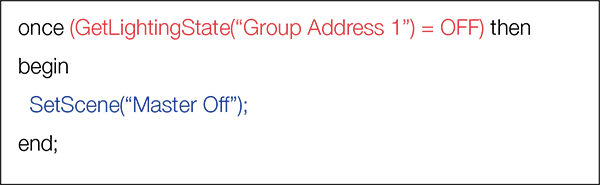
Anyone familiar with programming will quickly recognise the simplicity of the system -:
This system allows large amounts of data to be transmitted in a very small time frame, effectively and reliably on the network, leading to low processing overheads and low bandwidth requirements.
An electrician proficient in setting up and operating a C-Bus system will be able to use standard code and economies of scale. The unique system allows you to add new components to an existing network or create sub-networks without the need to program all units in the group.
C-Bus uses a daisy chain topology of loop in and loop out (so many electricians get this wrong).
The C-Bus Network is electrically isolated from the mains power, and operates at safe extra low voltage levels (36 V dc).
The C-Bus connections may be looped from unit to unit or a branch can be made at any point. All addresses are group numbers expressed as hexadecimal numbers.
Master overrides can be positioned anywhere in the network.
Programming is via Windows software or plugin devices.
The benefits are a robust but low cost per node network.
C-Bus is created by Clipsal a brand Australians are familiar with since 1920.
People call Weiss Electrical when C-Bus stops working correctly.
Over the years, Ralph has seen the same issues come up again and again. Here are the most common C-Bus faults and what typically causes them:
Switches pressed with no response - This is often caused by a unit that has lost its group address programming, a faulty output unit, or a damaged segment of the C-Bus cable. Because C-Bus uses a daisy chain topology, a break or short anywhere in the loop can affect all units downstream.
Sensors not triggering lights - PIR and other sensors can fail due to age, physical damage, or incorrect sensitivity settings. In some cases the sensor is still working but its programmed trigger conditions no longer match the network's group addresses - a re-program is all that's needed.
Lights flickering when off - This is usually a symptom of a failing dimmer unit or a mismatch between the dimmer and the type of lamp being used (particularly common when older dimmers are paired with LED globes, which have very different load characteristics to the halogens they replaced).
Clock and schedule errors - If a C-Bus system loses power for an extended period, the internal clock on the network interface can reset, causing scheduled events to fire at the wrong times or not at all. A simple clock resync via the C-Bus toolkit software resolves this.
Units not communicating after an addition - Adding a new unit to an existing network without correctly assigning addresses in the software is a very common mistake. Each new unit must be programmed into the network; it won't join automatically.
C-Bus was ahead of its time when it launched, and it remains a capable platform - but homeowners increasingly want it to work alongside newer smart home technology. The good news is that C-Bus integrates well with a range of modern systems:
Control4 and Crestron - C-Bus networks can be bridged into premium home automation controllers like Control4 and Crestron. This allows a single touch panel or app to manage C-Bus lighting alongside audio, video, climate, and security systems in the one interface.
Amazon Alexa and Google Home - With the right gateway device (such as the Clipsal C-Bus Home Controller), C-Bus lighting and other loads can be voice-controlled through Alexa or Google Home. This is a popular upgrade for existing C-Bus homes that want modern convenience without rewiring.
Home Assistant - For those comfortable with open-source platforms, Home Assistant has solid C-Bus support via the CGATE integration. This allows highly customisable automations and dashboards using your existing C-Bus infrastructure.
Remote access via mobile - The C-Bus Wiser for C-Bus app and compatible network interfaces allow control of your C-Bus system from anywhere via your smartphone. Lights, scenes, and schedules can all be managed remotely - ideal for holiday homes or investment properties.
Energy monitoring - Newer C-Bus modules can feed energy consumption data into home monitoring dashboards, giving homeowners visibility over which circuits are drawing power and when.
If you have an existing C-Bus system and want to connect it to any of these platforms, Weiss Electrical can assess your current setup and advise on the best path forward.

Weiss Electrical have been brilliant in getting us back on track with a previously rundown CBus system and also rectifying or improving other electrical problems or improvements we need. So glad we found them and cannot recommend highly enough!

Very proffessional with excellent service. Cbus expert.

Excellent service for a difficult C-Bus problem - fixed on the day - professional, courteous, on time and great communication throughout.





Check out our amazing 9 STAR QUALITY GUARANTEE