
A Miele Steam Oven - under the hood
- Jul 14 2026
- /
- 670

You probably don't remember every conversation you had last week, but you do remember your first car.
Not just what it looked like, but how it felt. The way the engine sounded on cold mornings. The slight delay when you turned the key. The songs that seemed to belong to it. Maybe you even gave it a name—something you'd never admit out loud, but instinctively understood.
And when it finally broke down, or had to be sold, it didn't feel like getting rid of an object.
It felt... personal.
Which raises an uncomfortable question:
Why do we feel affection—sometimes even love—for machines?
Humans are wired to find patterns, assign meaning, and—perhaps most importantly—seek connection. This tendency spills over into how we interact with the non-living world through a process psychologists call Anthropomorphism.
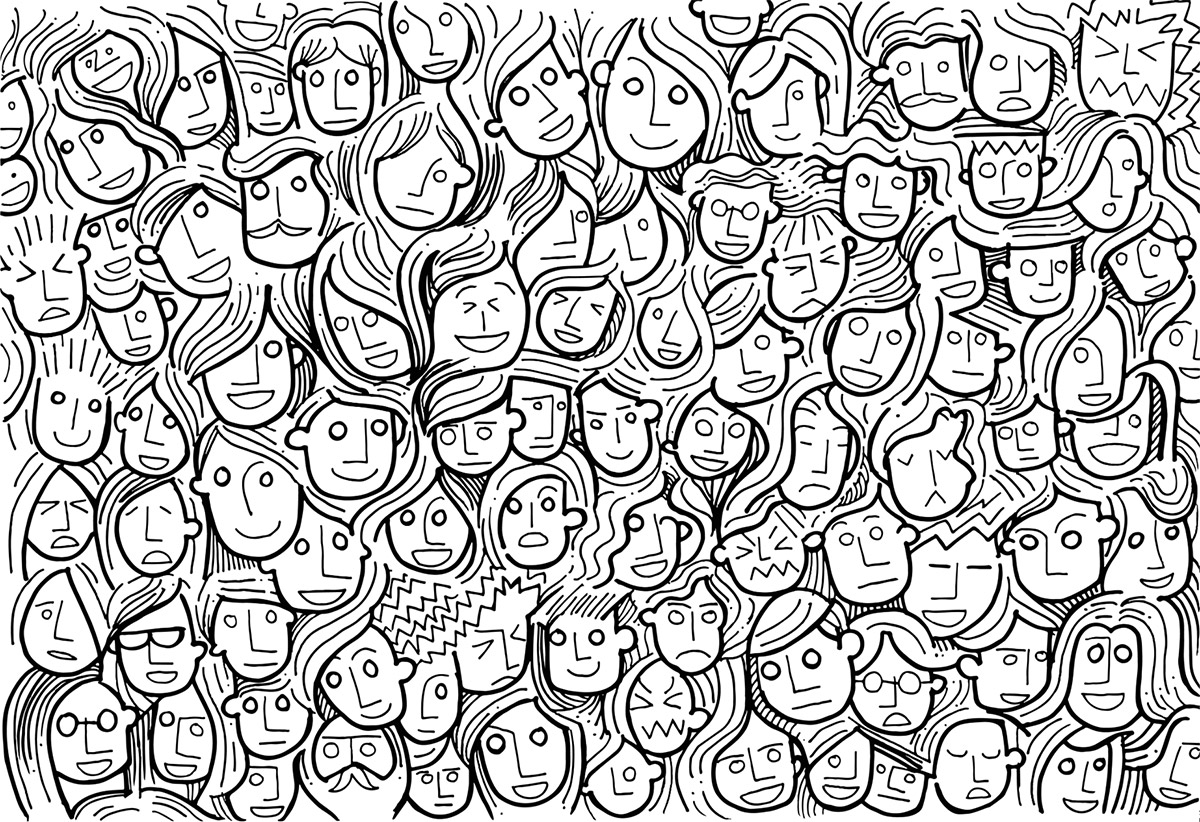
We don't just use machines, we interpret them.
A car that "refuses" to start feels stubborn. A slow laptop feels like it's "thinking". A phone that lasts all day without dying feels reliable, almost loyal. These descriptions aren't technically accurate but emotionally, they're incredibly real.
Why? Because our brains prefer stories over systems.
Assigning personality to machines simplifies complexity. It turns cold metal and circuitry into something familiar, something we can relate to. And once we relate, attachment isn't far behind.
If psychology opens the door, memory walks right in and makes itself at home.
Machines become meaningful not because of what they are, but because of what they witness. Your old phone isn't just outdated hardware, it's a timeline. Messages you can't delete. Photos you forgot you took. Notes written during moments you barely survived.
Your car isn't just transportation—it's where you had long conversations, silent drives, and maybe even life-changing realizations while stuck in traffic.
In psychology, this is closely tied to the Endowment Effect. The moment something becomes yours, its value increases—not objectively, but emotionally.
Add memories into the mix, and the object transforms into something closer to a personal archive.
That's why throwing away an old appliance can feel oddly heavy. It's not just about replacing a tool. It's about letting go of a version of your life.
There's another layer to this: effort.
The more time, money, and attention you invest into a machine, the harder it becomes to detach from it. Behavioral economists often refer to this as the Effort Justification.
Think about it:
At some point, the relationship stops being one-sided.
You didn't just buy the machine—you built a history with it.
That's why someone will defend their aging laptop like it's a misunderstood friend, or refuse to replace a car that clearly should have retired years ago.
It's no longer about functionality. It's about investment.
Here's where things get interesting—and slightly unsettling.
Because while our brains are naturally inclined to form attachments, modern technology doesn't just allow this to happen.
It encourages it.
Deliberately.
Companies today don't just design products to work—they design them to feel right. Subtle cues shape how we emotionally respond to machines:
These are not accidents. They are engineered experiences.
Even interfaces are built to create a sense of continuity—your apps, your settings, your preferences—all carried over seamlessly from one device to another. This creates the illusion that the relationship persists, even when the hardware changes.
In a way, the machine learns you just enough to make you feel understood.
And humans are remarkably easy to bond with anything that feels consistent, responsive, and predictable.
Unlike people, machines don't argue, judge, or misunderstand.
They respond—consistently, predictably, and often instantly.
There's a quiet comfort in that.
Your car doesn't question your late-night drives. Your phone doesn't get tired of your scrolling. Your coffee maker doesn't resent your dependence. They simply show up, every time, doing exactly what you expect them to do.
In an unpredictable world, that kind of reliability can feel grounding.
And over time, reliability begins to resemble trust.
Put all of this together—psychology, memory, effort, and design—and you get something that looks suspiciously like a relationship.
Not in the traditional sense, of course. But in the emotional patterns:
You might not say you "love" your devices, but your behavior often suggests otherwise.
You hesitate before replacing them. You feel frustration when they fail. You experience a small, irrational sense of loss when they're gone.
And perhaps most tellingly—you miss them.
Of course, not all attachment is problematic.
In many ways, it's a natural extension of being human. We attach meaning to objects because we attach meaning to experiences. Machines simply happen to be present for a lot of them.
But there is a line, subtle, but important.
When attachment turns into reluctance to upgrade despite clear need...
When a broken device lingers in a drawer "just in case"...
When the idea of losing a machine feels disproportionately distressing...
It's worth asking:
Is this about the object—or what it represents?
Because more often than not, it's the latter.
Not exactly.
We love what they carry.
We love what they represent.
We love how they fit into our lives—quietly, reliably, and often invisibly.
Machines become emotional not because they are alive, but because they exist alongside us while we are.
They are there during the ordinary moments that eventually become meaningful. They witness the routines that shape who we are. And in doing so, they absorb a kind of secondhand significance.
So when we say we're attached to a car, a phone, or even an old appliance...
What we really mean is this:
We're attached to the version of ourselves that existed with it.







Check out our amazing 9 STAR QUALITY GUARANTEE